4K vs Full HD TV: Which One Should You Actually Buy for an Indian Home?
✔ No fake reviews
✔ AI-ranked picks
✔ Prices updated today
🔥 Top 3 Picks (AI Ranked)
🏆 BEST PICK
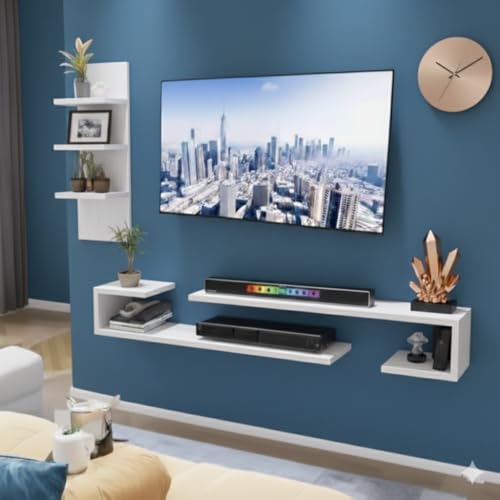
Bros Moon Engineered Wood Tv Cabinet
Bedroom OTT TV
Fit relaxed viewing into smaller rooms without feeling oversized.
Why this pick
Easier placement and close-distance viewing matter more than big-screen impact.
Tradeoff
Compact size saves space, but living-room impact is limited.
Easier placement and close-distance viewing matter more than big-screen impact. Worth it when this matches your room.
₹741
₹1,800
🔥 Save ₹1,059
🥉 Best Performance
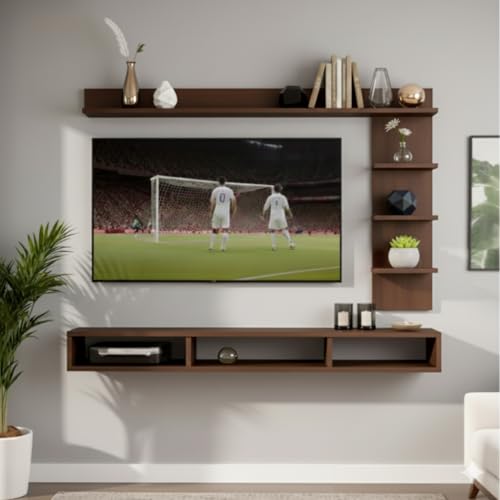
Bros Moon MDF C Shaped 32
Better if stronger performance matters more than lowest price.
₹1,299
Get price-drop alerts on WhatsApp
Selected deals, top picks and buying tips. No spam.
No spam • Selected updates only
🔥 Trending in this category
Get price-drop alerts on WhatsApp
Selected deals, top picks and buying tips. No spam.
No spam • Selected updates only

Walk into any electronics store in India and a salesperson will push you toward a 4K TV regardless of your screen size, viewing distance, or budget. The truth is more nuanced — and understanding it could save you ₹8,000–₹15,000 or help you justify spending more on a genuinely better panel.
This guide explains exactly when 4K matters, when it does not, and what the Indian OTT streaming landscape means for your decision in 2026.
Resolution Explained in Plain Terms
Full HD (1080p): 1920 × 1080 pixels = approximately 2 million pixels total.
4K (Ultra HD): 3840 × 2160 pixels = approximately 8 million pixels total — four times more than Full HD.
More pixels means more detail. But your eye can only perceive those extra pixels if the screen is large enough and you are sitting close enough. Below a certain screen-size-to-distance ratio, 4K and Full HD look identical to the human eye.
The Viewing Distance Rule — This Changes Everything
The human eye can distinguish 4K from Full HD only if the screen is large enough relative to your seating distance. Beyond a certain distance, both look equally sharp.
| TV Size | Minimum Distance to See 4K Benefit | Typical Indian Living Room Distance |
|---|---|---|
| 32 inch | 0.9 metres | 2–3 metres — 4K wasted |
| 43 inch | 1.2 metres | 2–3 metres — marginal benefit |
| 50 inch | 1.4 metres | 2–3 metres — 4K starts to matter |
| 55 inch | 1.6 metres | 2.5–3 metres — 4K clearly beneficial |
| 65 inch | 1.9 metres | 3+ metres — 4K essential |
The practical takeaway for Indian homes: If you are buying a 32-inch or 43-inch TV for a bedroom or kitchen, Full HD at that screen size is genuinely sufficient at normal Indian viewing distances. For a 55-inch+ living room TV, 4K is worth the investment.
Does Indian OTT Content Actually Support 4K?
This is the most ignored question in the 4K TV debate. A 4K TV watching Full HD content upscales the image — it does not magically become 4K quality.
Current Indian OTT platform 4K availability (2026):
- Netflix India: 4K available on Premium plan (₹649/month). Significant 4K library — original series and films.
- Amazon Prime Video India: 4K available. Growing library of 4K content including Indian originals.
- Disney+ Hotstar: Limited 4K content. Most cricket and Indian content streams at 1080p maximum.
- JioCinema: 1080p maximum for most content in 2026.
- Sony LIV / ZEE5: Primarily 1080p.
The honest picture: If your primary viewing is cricket, daily soaps, and regional content — the majority of it will be 1080p regardless of your TV's resolution. If you watch Netflix and Amazon international content regularly, 4K is genuinely used.
Internet Speed Required for 4K Streaming
4K streaming requires a stable 25 Mbps+ connection. Buffering drops 4K streams to 1080p or lower automatically.
In India, Jio Fiber and Airtel Xstream with 100 Mbps plans handle 4K reliably. On mobile broadband (5G), 4K streaming is hit-or-miss depending on network congestion.
If your internet plan is 30–50 Mbps shared across a family, 4K streaming reliability will be inconsistent.
Panel Technology — What Matters More Than Resolution
Here is what most TV buyers get wrong: the panel technology affects the viewing experience far more than the resolution difference between 4K and Full HD.
QLED (Quantum LED):
- LED backlight enhanced with quantum dot filter
- Excellent brightness — great for Indian rooms with daylight
- Vivid, punchy colours
- No burn-in risk
- Samsung's core TV technology
OLED:
- Each pixel is self-illuminating — true blacks, infinite contrast
- Best picture quality available
- Risk of burn-in with static elements (news tickers, sports scoreboards)
- Less bright than QLED — can wash out in bright rooms
- Significantly more expensive
Standard LED/IPS:
- Most common at mid-range price points
- Good brightness, decent colours
- Adequate for casual viewing
For Indian living rooms (high ambient light): QLED outperforms OLED in typical daylight conditions. OLED is superior in a darkened home theatre setup.
Smart TV OS — The Overlooked Daily Friction Point
The operating system you use every day matters as much as resolution. In 2026, Indian buyers encounter:
Google TV (formerly Android TV): Best app ecosystem. Google Play Store access. Works with all Indian OTT platforms natively. Occasional performance slowness on budget chips.
Tizen (Samsung): Fast, clean interface. Excellent for Samsung ecosystem users. App availability improving but still behind Google TV.
webOS (LG): Smooth, well-designed. Good app support. Less customisable.
Fire TV (Amazon): Deep Prime Video integration. Good for Prime subscribers. Slightly pushes Amazon content.
Recommendation: For Indian users who use multiple OTT platforms — Google TV offers the broadest compatibility and least friction.
Price Reality: When Is 4K Worth the Premium?
| Screen Size | Full HD Price Range | 4K Price Range | Premium | Worth It? |
|---|---|---|---|---|
| 32 inch | ₹12,000–₹16,000 | ₹15,000–₹20,000 | ₹3,000–₹5,000 | No |
| 43 inch | ₹18,000–₹25,000 | ₹22,000–₹32,000 | ₹4,000–₹8,000 | Marginal |
| 55 inch | ₹28,000–₹38,000 | ₹32,000–₹50,000 | ₹5,000–₹15,000 | Yes |
| 65 inch | Not common | ₹50,000–₹90,000 | — | Yes, 4K only |
🔍 Which TV gives the best AI score in your budget? bestpickr.in ranks every TV using scores built from real Indian buyer reviews and YouTube reviewer signals — not just specs on paper. 👉 See TV rankings → bestpickr.in/category/televisions
Refresh Rate — 60Hz vs 120Hz for Indian Viewers
60Hz is sufficient for all standard TV content including OTT streaming and most cable channels.
120Hz becomes relevant for:
- Gaming via console (PS5, Xbox Series X output at 120fps)
- Fast-moving sports (cricket, football) — smoother motion
- Premium viewing experience with motion interpolation
At 55 inches and above, the price jump to 120Hz is often worth it for cricket watchers who notice motion blur on fast bowling sequences.
FAQ
Q: Is 4K worth it for a 43-inch TV in a standard Indian bedroom? At typical bedroom viewing distances of 2.5–3 metres, the 4K advantage over Full HD on a 43-inch screen is minimal. Save the money and invest in a better panel quality within Full HD.
Q: Can I watch 4K on my TV if my internet is slow? No. Your TV will automatically downgrade to 1080p or lower when bandwidth is insufficient. The 4K hardware is unused in those conditions.
Q: Which is better — Samsung QLED or LG OLED for an Indian home? For typical Indian living rooms with natural daylight: Samsung QLED. For a dedicated home theatre room watched in low light: LG OLED.
Q: Do Indian DTH channels broadcast in 4K? Very limited. Tata Sky (now Tata Play) has some 4K channels. Most DTH content remains at 1080i or 720p in 2026.
Q: How long should a TV last? Quality TVs last 8–12 years. The panel degrades gradually. OLEDs have a burn-in risk around the 5–7 year mark with heavy static content usage.
💡 Stop trusting the spec sheet. Read what real buyers said after 6 months. bestpickr™ analyses actual Indian viewer reviews — picture quality in daylight, remote quality, software lag — to give you an honest AI score before you spend ₹30,000+. 👉 Compare TVs → bestpickr.in
Conclusion
4K is worth buying if your TV is 50 inches or larger and you sit within 2.5 metres of it. For bedroom TVs under 43 inches, Full HD at a better panel quality delivers more visible improvement per rupee. Panel type (QLED vs standard LED), OS quality, and refresh rate affect your daily viewing experience far more than the 4K vs Full HD label. Buy the best panel you can afford at the right screen size — resolution is the last thing to optimise.


 Reddit