Best Mobile Phone Under ₹50,000 in India (2026) – Top Picks Compared
✔ No fake reviews
✔ Carefully ranked picks
✔ Prices updated today
🔥 Top 3 Picks (AI Ranked)
🏆 BEST PICK
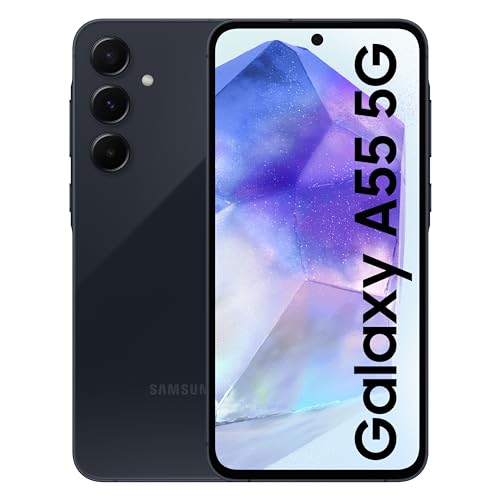
Samsung Galaxy A55 5G
Balanced tablet for study, streaming and daily use.
🔥 Save ₹45,000
₹44,999
Save ₹45,000
🏆 BEST PICK
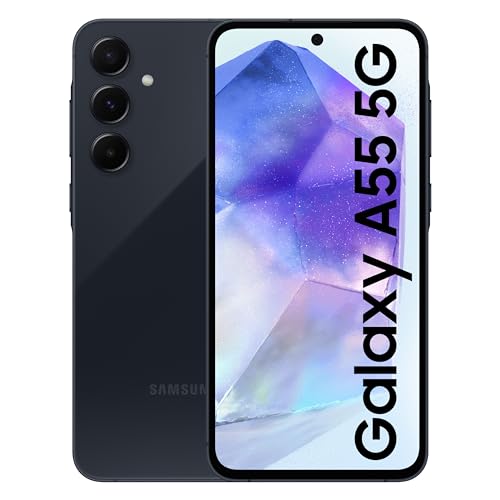
Samsung Galaxy A55 5G
Best for Home Use
BestPickr Verdict
Best for Home UseBrowsing, streaming, bills, and light work stay simple.
⚠ Not built for heavy apps, gaming, or long-term power use.
Good for
Avoid if
BestPickr Take
- ✓ Covers normal family tasks without overcomplicating the purchase
- ✓ Better for practical daily use
Price Insight
Based on available tracked history.
Typical price: ₹44,999 - ₹44,999
🕒 Tracking price movement
Price verified recently · Based on available tracked history
₹44,999
₹89,999
🔥 Save ₹45,000
🥈 Best Budget
Samsung Galaxy A55 5G
Smoother gaming without paying for premium-tier overkill.
₹49,999

🥉 Best Performance
iQOO 15R
Better if stronger performance matters more than lowest price.
₹49,999
Get price-drop alerts on WhatsApp
Selected deals, top picks and buying tips. No spam.
No spam • Selected updates only
🔥 Trending in this category
Get price-drop alerts on WhatsApp
Selected deals, top picks and buying tips. No spam.
No spam • Selected updates only

At ₹50,000, you are in the territory of true flagship specifications. This is the price at which Snapdragon 8 Gen 3, Sony-partnered camera systems, satellite connectivity (on some models), and titanium or aluminium premium builds become accessible. A phone at ₹50,000 in 2026 would have cost ₹80,000–₹90,000 three years ago.
This guide addresses who should buy at this price, what the specifications genuinely deliver, and which phones dominate India's premium-but-considered segment.
Is ₹50,000 Justified? The Honest Answer
Before specs: consider your actual usage. If you spend 5–7 hours daily on your phone, heavily use the camera for important moments, game competitively for 2+ hours, or use your phone as a primary work device — ₹50,000 is justified. The performance, camera quality, and 5-year update commitment deliver genuine value over 4–5 years.
If you use your phone primarily for social media, WhatsApp, and occasional YouTube — a ₹25,000–₹30,000 phone handles everything with zero perceptible compromise. The upgrade to ₹50,000 will not improve your core experience.
Processor at ₹50,000 — The Real Flagship Chip
Snapdragon 8 Gen 3: Qualcomm's 2024 flagship chip. 3nm fabrication. Best-in-class single-core performance (critical for app launch speed and UI responsiveness). Best-in-class GPU for gaming. Handles 8K video recording, real-time ray tracing in mobile games, and on-device AI features.
Apple A17 Pro / A18 (iPhone): iPhones fall in the ₹55,000–₹65,000 range typically, but iPhone 15 base model occasionally touches ₹49,999 during sales. Apple Silicon benchmarks above Snapdragon 8 Gen 3 on single-core performance. Relevant if iOS ecosystem is preferred.
MediaTek Dimensity 9300+ / 9400: MediaTek's flagship chips. Competitive with Snapdragon 8 Gen 3. Excellent for raw performance and efficient multi-core work.
Camera at ₹50,000 — Professional Imaging
At ₹50,000, the camera system shifts from "very good smartphone camera" to "professional imaging tool."
What changes:
- Primary sensor: 1/1.3" or larger sensors — approaching compact camera territory
- Variable aperture on some models: f/1.7 and f/2.8 modes
- 10x periscope telephoto: 10x optical zoom on some models at this price — genuinely impressive range
- Pro video modes: 4K at 60fps with LOG profiles for colour grading on professional models
- Computational photography: On-device NPU processing that creates professional-grade portrait effects, astrophotography, and video night modes
Brand partnerships: Sony Xperia uses Sony's own Exmor sensors. Some Samsung Galaxy S series use Samsung Isocell sensors specifically developed for flagship models. Xiaomi 14 series uses Leica tuning. These are meaningful camera differentiation points — not just branding.
Build Quality — Premium Materials
At ₹50,000:
- Titanium frames (Samsung S24, iPhone 15 Pro): Lighter than aluminium, more rigid
- Gorilla Glass Victus 2 / Ceramic Shield: Best available screen protection
- IP68 (2-metre submersion for 30 minutes): The highest standard for consumer phones
The physical feel difference between a ₹20,000 polycarbonate phone and a ₹50,000 titanium-framed phone is immediately apparent and contributes to long-term ownership satisfaction.
Charging at ₹50,000
- 100W–120W wired charging: 0–100% in 25–35 minutes
- 50W wireless charging (some models)
- Reverse wireless charging: Charges earbuds and other Qi-compatible devices
- MagSafe / magnetic charging ecosystem (iPhone): Accessory ecosystem advantage
Software at ₹50,000
Samsung Galaxy S series: 7 years of OS and security updates — the best commitment in Android Google Pixel series: 7 years of OS updates, first to receive all Android features OnePlus 12 / 13: 4 years OS + 5 years security iPhone: Typically 5–6 years iOS updates
At ₹50,000, you are buying a device that should serve you through 2030 with full OS support. This fundamentally changes the value calculation — ₹50,000 ÷ 5 years = ₹833/month for a phone that handles everything.
🔍 Which phone under ₹50,000 gets the best AI score from Indian buyers in 2026? bestpickr.in scores every flagship using real Indian reviewer intelligence. 👉 See flagship rankings under ₹50,000 → bestpickr.in/category/mobiles
FAQ
Q: Samsung or OnePlus at ₹50,000? Samsung: better camera, longer updates (7 years), more brand services. OnePlus: cleaner faster UI, slightly better raw performance per rupee. Camera and longevity lean Samsung; software experience and value lean OnePlus.
Q: Should I consider iPhone at this budget? iPhone 15 base model occasionally reaches ₹47,000–₹49,999 during sales. iOS ecosystem (iCloud, iMessage, AirDrop, continuity with Mac) adds significant value if you use other Apple devices. Camera quality is flagship grade. 6-year update commitment.
Q: Is the jump from ₹40,000 to ₹50,000 worth it? For the camera system (periscope telephoto quality, sensor size), 7-year update commitment (Samsung/Google), and IP68 vs IP67: meaningful. For pure daily performance: the ₹40,000 range is already excellent.
💡 At ₹50,000 you deserve a phone that earns its price on every metric. The AI score tells you which ones do. 👉 Compare flagship phones → bestpickr.in
Conclusion
₹50,000 buys a true flagship experience in 2026 — Snapdragon 8 Gen 3, professional camera systems with periscope telephoto, IP68 water resistance, premium build materials, and 7-year update commitments from Samsung and Google. The value calculation over a 5-year ownership period is compelling: ₹10,000/year for a best-in-class device. Choose based on camera priorities (Samsung leads), software purity (Google Pixel), value per spec (OnePlus), or ecosystem (iPhone).


 Reddit