Electronics Sale Calendar India (2026)
✔ No fake reviews
✔ Carefully ranked picks
✔ Prices updated today
🔥 Top 3 Picks (AI Ranked)
🏆 BEST PICK

iQOO Neo 10
Balanced tablet for study, streaming and daily use.
🔥 Save ₹4,000
₹41,999
Save ₹4,000
🏆 BEST PICK

iQOO Neo 10
BestPickr Verdict
Top pickBetter for practical daily tablet use.
⚠ Skip this if: you need premium-tier features above this budget
Good for
Avoid if
BestPickr Take
- ✓ Current top-price fit in this shortlist.
- ✓ In-stock option with verified listing data.
Price Insight
This product has been cheaper before.
Typical price: ₹37,999 - ₹41,999
🕒 Wait if not urgent
Price verified 215 hours ago · Based on available tracked history
₹41,999
₹45,999
🔥 Save ₹4,000
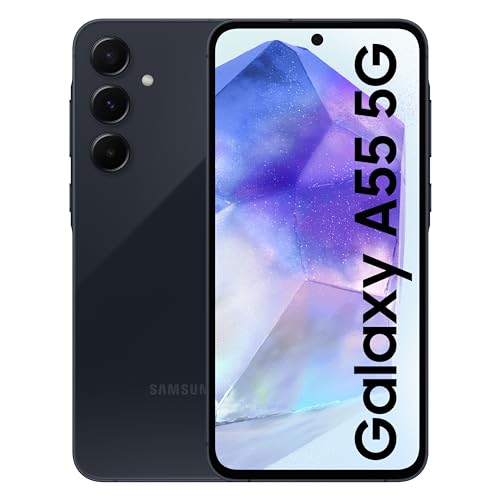
🥈 Best Budget
Samsung Galaxy A55 5G
Covers normal family tasks without overcomplicating the purchase.
₹44,999

🥉 Best Performance
Samsung EVO Plus Samsung Galaxy S24 Snapdr
Better if stronger performance matters more than lowest price.
₹49,499
Get price-drop alerts on WhatsApp
Selected deals, top picks and buying tips. No spam.
No spam • Selected updates only
Sale timing changes how much you pay for phones, TVs, laptops, ACs, and wearables in India. This page is built for shoppers who already know what they want but need better timing. Instead of waiting blindly for the next big banner sale, use this guide to understand which categories move during festival periods, which ones are safer to buy off-season, and when price drops are more likely to be real instead of cosmetic.
🔥 Trending in this category
Get price-drop alerts on WhatsApp
Selected deals, top picks and buying tips. No spam.
No spam • Selected updates only

Not all Indian electronics sales are equal. Some deliver genuine 20–30% discounts backed by brand partnerships. Others are manufactured urgency — inflated list prices reduced to "sale prices" that are actually the product's normal market value. Knowing the difference, and knowing which categories see real discounts in which months, can save an Indian buyer ₹5,000–₹20,000 on a single purchase.
The Two Sale Tiers — Real vs Manufactured
Tier 1 — Real discount sales: These occur when Amazon or Flipkart have negotiated volume commitments with brands and pass genuine cost savings to consumers. The discount is real because the platform is absorbing margin to drive volume.
Characteristics: Discounts of 15–30% below the product's typical price over the previous 90 days. Limited stock. Price history on tools like CamelCamelCamel or Keepa shows the "sale price" is genuinely lower than recent history.
Tier 2 — Manufactured urgency sales: The product is listed at an artificially inflated "MRP" for the weeks before a sale, then reduced to a "sale price" that is approximately the actual market price. The "discount" is 30–40% off an inflated number — not off the real price.
How to identify: Check the product's price history using a browser extension like Price Tracker for Amazon (available as Chrome extension). If the "pre-sale" price was inflated 3–4 weeks before the sale, the sale discount is manufactured.
Rule: Always check 90-day price history before celebrating a sale price.
Month-by-Month Sale Calendar for Indian Electronics
January — Post-Festive Clearance
What goes on sale: TVs, large appliances (refrigerators, washing machines), last-generation smartphones.
Why: Brands need to clear old inventory before new model launches in Q1. Retailers need to reduce post-festive stock. The discounts on outgoing models can be 20–35% — genuine reductions, not manufactured.
Best buys in January: Large screen TVs (manufacturers launching new models push old stock at discounted prices), refrigerators (before summer demand spike), last-generation budget phones.
Specific sales: Amazon and Flipkart typically run "New Year" or "Republic Day" sales (January 26 week). Republic Day sales have historically delivered good discounts on TVs and appliances.
February — Quiet Month, Few Real Sales
Discount quality: Low. Valentine's Day sales are primarily for accessories and wearables, not electronics.
Strategy: Use February to research. Read reviews, finalize your shortlist, set price alerts. Do not buy under artificial Valentine's urgency unless the price is genuinely below the 90-day average.
March — Budget Season Deals
What goes on sale: Laptops, monitors, printers — office electronics.
Why: Financial year-end (March 31) drives corporate and SME procurement. Brands push office electronics hard. Consumer versions benefit from the same channel promotions.
Best buys in March: Laptops (often 10–15% below regular price), monitors, external storage.
April–May — AC Season Peak
What goes on sale: Air conditioners.
Why: Counter-intuitively, ACs are often cheaper at the start of summer than mid-summer when demand peaks. April–May sees brand promotions and bank EMI offers designed to capture buyers before the heat becomes unbearable. By June, demand outstrips promotional budget and prices normalise.
Best buys in April–May: Split ACs, window ACs. Look specifically for bank cashback offers (HDFC, SBI, ICICI cards often have ₹2,000–₹5,000 cashback on AC purchases).
Sale to watch: Amazon Summer Sale (typically April–May) and Flipkart's equivalent. AC discounts during these sales are among the best of the year.
June — Monsoon Season Electronics
What goes on sale: Smartphones, earphones, smart home devices.
Why: The sales slowdown in AC and outdoor electronics during monsoon pushes brands to promote portable electronics. New smartphone models also typically launch June–August (before festive season), pushing older models into discount territory.
Best buys in June: Smartphones that are 6–12 months old — new enough to be current, old enough to be discounted. Earphones and TWS as brands clear pre-monsoon stock.
July–August — Pre-Festive Quiet Period
Strategy: This is your best research window. Brands will launch new models for the festive season, and the period between launch announcement and release is ideal for finalizing decisions. Set specific price alerts. Pre-festive stock arrives in warehouses and prices occasionally dip briefly.
Watch for: Independence Day sale (August 15 week) — usually genuine discounts on electronics, particularly smartphones and earphones. Not as deep as October sales but worthwhile.
October — The Most Important Sales of the Year
Big Billion Days (Flipkart) and Great Indian Festival (Amazon) are the most significant sale events in Indian electronics retail. These typically run for 5–7 days starting from the first week of October, timed with Navratri/Dussehra.
Real discount magnitude:
- Smartphones: 10–25% off regular price
- Laptops: 15–25% off
- TVs: 20–30% off
- Large appliances: 15–20% off
- Earphones and audio: 20–35% off
How to maximize October sales:
- Build your shortlist in September using bestpickr.in's AI scores
- Add items to your cart/wishlist before the sale starts — prices are tracked
- Check price history before purchasing during the sale
- Bank card offers can add ₹1,500–₹5,000 additional discount — check your bank's offers before the sale
- Sale Day 1 typically has the best stock; Day 5–7 often sees additional drops but limited sizes/colours
The Prime membership question: Amazon's sale technically starts one day earlier for Prime members. For large purchases (laptops, TVs, ACs), the extra day of access is worth ₹1,499/year in Prime cost. For small purchases, the savings rarely justify the subscription cost purely for sale access.
November — Diwali Aftermath and Black Friday
What goes on sale: Electronics broadly. Black Friday (last Friday of November) has become a significant sale period for Indian e-commerce.
Discount quality: Good but not as deep as October. Diwali aftermath sales clear remaining festive stock. Black Friday discounts can be 10–20% additional on items not fully discounted in October.
Best buys in November: Laptops (global Black Friday pricing sometimes applies on international brands), cameras, gaming peripherals.
December — Year-End Clearance
What goes on sale: Year-old smartphone models, outgoing TV ranges, consumer electronics broadly.
Why: Global year-end inventory clearance. Brands want to enter Q1 with fresh inventory.
Best buys in December: Smartphones that launched in Q1–Q2 of the current year are typically 15–25% below launch price. Smart home devices, tablets, and laptops from older generations.
Category-Specific Buying Month Guide
| Category | Best Month to Buy | Why |
|---|---|---|
| Smartphones | October (festive) | Deepest discounts, widest selection |
| Laptops | October or March | Festive + financial year-end |
| Air Conditioners | April–May | Pre-summer brand promotions |
| Televisions | October or January | Festive + post-festive clearance |
| Earphones & Audio | October or June | Festive + monsoon promotions |
| Refrigerators | January or October | Post-festive clearance + festive |
| Washing Machines | October | Festive = deepest discount |
| Monitors | March or October | Year-end + festive |
| Water Purifiers | Any time (low seasonality) | Consistent pricing year-round |
The Price Alert Strategy
Rather than waiting for specific sale months, set price alerts at your target price for specific products. When the price drops below your threshold — whether during a sale or not — you buy.
Tools for price alerts in India:
- Camelcamelcamel: Amazon price history and alerts
- Pricebefore.com: India-specific price history for Amazon India
- Keepa: Detailed Amazon price history with browser extension
Set your alert at 15–20% below the current price. During October and April–May sales, most electronics in your wishlist will hit that threshold.
🔍 Ready to buy during the next sale? Know the AI score before the price drops. bestpickr.in pre-builds AI scores for every product so you are ready to buy the right product when the price is right — no research needed during the sale rush. 👉 Check any product now → bestpickr.in
FAQ
Q: Are Amazon Great Indian Festival discounts genuine? Partially. The best discounts are genuine — 20–25% below regular 90-day price on major electronics. Some items have manufactured discounts. Always check price history before purchasing.
Q: Is it worth waiting for October sales for an urgent purchase? If you can manage 4–6 weeks, waiting for October is almost always worth it for purchases above ₹10,000. The savings typically exceed the inconvenience of waiting.
Q: Are flash sales better than regular festive sales? Flash sales (5-minute deep discounts on specific products) create extreme urgency. The product often sells out before most buyers can complete checkout. For planned purchases, the regular 5–7 day festive sale window is more practical.
Q: Should I buy extended warranty during a sale? Evaluate each warranty independently. Extended warranties on ACs and refrigerators can be worthwhile (compressor repairs are expensive). For phones and laptops, the extended warranty's per-year cost vs. repair probability is less favourable.
Q: How do I know if a sale discount is real? Install the Keepa Chrome extension or use Pricebefore.com. Look at the 90-day price history. If the current "sale price" is genuinely below the consistent 90-day average, the discount is real.
💡 Sale prices are only half the equation. The AI score tells you if it's worth buying at any price. bestpickr™ helps you identify which products are worth buying during the sale — and which ones look good at a discount but underperform in real Indian conditions. 👉 Build your sale shortlist → bestpickr.in
Conclusion
The two most important sale windows for Indian electronics buyers are October (festive season — deepest discounts across all categories) and April–May (best AC deals of the year). January delivers genuine post-festive clearance on TVs and appliances. March benefits laptop and monitor buyers. For everything else, price alerts set at 15–20% below current price will notify you whenever a genuine discount occurs — removing the need to track sale calendars manually. Always verify discount genuineness with price history tools before the excitement of a sale event overrides analytical decision-making.
Who should buy this
- Shoppers who already know the product category and want better timing.
- Buyers planning multiple electronics purchases through the year.
- Anyone trying to avoid fake sale urgency and cosmetic discounts.
Who should avoid this
- Shoppers who need a product urgently and cannot wait for the next pricing window.
- Buyers who still need product recommendations more than timing advice.
Why trust BestPickr
- BestPickr uses live product pricing and review-quality checks instead of relying on marketing claims.
- We prioritize buyer intent: which option saves more money, performs better daily, or makes the safer long-term purchase.
- Recommendations are written to help Indian shoppers decide faster, not to stretch the decision with vague generic advice.
How we ranked
- We focus on category timing, sale intensity, and how often discounts hold after checkout instead of trusting banner-size alone.
- The quick-answer cards point you toward the next practical action: compare platform events, time the category better, and use price strategy.
- Related guide links let shoppers move from sale timing into actual product shortlists without starting over.
Explore related guides
Frequently Asked Questions
When is the best time to buy electronics in India?▾
Festival sales are still important, but category timing matters more than one universal sale date. Phones and wearables often move during big events, while appliances can be smarter buys before seasonal demand spikes.
Should I wait for Great Indian Festival or Big Billion Days?▾
If your purchase is not urgent, those sale windows are still worth tracking. But always compare cross-platform pricing because many discounts are matched or beaten elsewhere.
Do sale prices always mean the best deal?▾
No. Some sale listings are mostly cosmetic. Price history, review depth, and live competition still matter more than the sale badge itself.


 Reddit