TWS Earbuds vs Wired Earphones: Which One Should You Buy in India in 2026?
✔ No fake reviews
✔ Carefully ranked picks
✔ Prices updated today
🔥 Top 3 Picks (AI Ranked)
🏆 BEST PICK
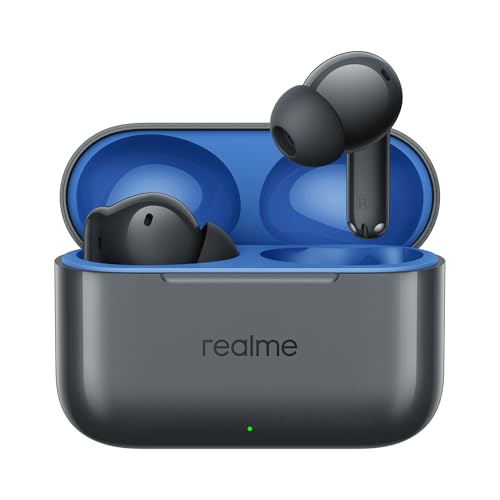
realme Buds T200 True Hi-Res Audio,
Balanced tablet for study, streaming and daily use.
🔥 Save ₹1,200
₹1,799
Save ₹1,200
🏆 BEST PICK

realme Buds T200 True Hi-Res Audio,
BestPickr Verdict
Top pickIf you want clear call quality plus entertainment use, this is the best pick under ₹2,000.
⚠ Skip this if: you need ultra-low latency esports tuning
Good for
Avoid if
BestPickr Take
- ✓ Longer sessions feel more responsive after work.
- ✓ Gameplay feels more in sync during faster matches.
Price Insight
Based on available tracked history.
Typical price: ₹1,799 - ₹1,799
🕒 Tracking price movement
Price verified recently · Based on available tracked history
₹1,799
₹2,999
🔥 Save ₹1,200

🥈 Best Budget
Kratos TW02 Ear Buds 30H Playtime,
Better value if upfront price matters most.
₹499

🥉 Best Performance
Aerox Enterprise Wireless 1+ Buds 2r
Better if stronger performance matters more than lowest price.
₹499
Get price-drop alerts on WhatsApp
Selected deals, top picks and buying tips. No spam.
No spam • Selected updates only
🔥 Trending in this category
Get price-drop alerts on WhatsApp
Selected deals, top picks and buying tips. No spam.
No spam • Selected updates only

The 3.5mm jack has been dying a slow death since 2016, but wired earphones are very much alive — and for good reasons. Meanwhile, true wireless stereo (TWS) earbuds have dropped in price to the point where ₹1,500 buys a genuinely usable pair. So which should you buy?
The answer depends on how you use earphones. This guide breaks it down honestly.
What Is TWS? A Quick Clarification
TWS stands for True Wireless Stereo. Unlike traditional Bluetooth earphones (which have a wire connecting the two earpieces), TWS earbuds have no wire at all — each earbud is completely independent. They connect to each other and your phone via Bluetooth.
This is different from "wireless" earphones, which still have a neckband wire connecting the two drivers.
Sound Quality: The Honest Comparison
Under ₹2,000: Wired earphones win clearly. At this price, a good wired earphone (such as those from SoundMAGIC, KZ, or even JBL) delivers significantly better audio quality than a comparable TWS. Physics is the reason — wired earphones do not compress audio through a Bluetooth codec.
₹2,000–₹5,000: The gap narrows. TWS earbuds in this range (from Sony, boAt Nirvana series, Soundcore) sound good enough that most listeners cannot distinguish them from wired options in blind tests.
₹5,000 and above: TWS earbuds pull ahead for convenience. Active Noise Cancellation (ANC) becomes available and is a genuine quality-of-life upgrade.
🔍 Want to know which earbuds Indian reviewers actually recommend? bestpickr.in ranks every TWS and wired earphone using AI scores built from Geeky Ranjit, TechBar, and other trusted Indian tech channels. 👉 See earphone rankings → bestpickr.in/category/earphones
Battery Life — The TWS Achilles Heel
This is where TWS earbuds show their biggest limitation. Even good TWS earbuds provide 6–8 hours of playback per charge, with the case extending to 24–30 hours total. But:
- You cannot use them while charging (unlike wired)
- Battery health degrades over 18–24 months
- If you forget to charge the case, you have nothing
Wired earphones, by contrast, never run out of power. For students or professionals who use earphones all day, wired remains the more reliable option.
Latency — Critical for Gaming and Video Calls
Bluetooth audio has inherent latency (delay between video and audio). Standard Bluetooth earbuds have 150–250ms delay. For video streaming with subtitles, you may not notice. For mobile gaming or video calls, the lip-sync mismatch becomes bothersome.
TWS earbuds with a dedicated low-latency gaming mode (typically under 60ms) address this. Wired earphones have zero latency.
If gaming on your phone is a significant use case, either choose a TWS with a confirmed gaming mode or stick with wired.
Durability and Repairability
A wired earphone's most common failure point is the cable near the connector — and in many cases you can buy replacement cables. The drivers themselves last for years.
TWS earbuds have no user-repairable parts. If one earbud dies after the warranty period, you typically replace the entire pair.
Sweat and Water Resistance
Most TWS earbuds at ₹2,000+ carry IPX4 or IPX5 ratings — meaning they survive sweat and light rain. Most budget wired earphones are not rated for water resistance.
For gym use and outdoor exercise: TWS earbuds win on both freedom of movement and sweat resistance.
Active Noise Cancellation — A Game Changer for Commuters
ANC is only meaningfully available on TWS earbuds (some neckband designs also include it). If you use earphones in Mumbai local trains, Delhi Metro, or noisy offices, ANC is genuinely life-changing. No wired earphone at this price range offers it.
Earbuds with good ANC in India: Sony WF-1000XM5 (premium), Jabra Elite 4, Soundcore Liberty 4 NC (₹5,000–₹8,000 range), boAt Airdopes 181 ANC (budget).
Which to Choose: Decision Matrix
| Priority | Choose |
|---|---|
| Best sound under ₹2,000 | Wired |
| All-day office use | Wired |
| Gym / outdoor workouts | TWS |
| Commuting with metro/bus | TWS with ANC |
| Mobile gaming | Wired or TWS with gaming mode |
| Zero maintenance headache | Wired |
| No 3.5mm jack on phone | TWS |
The 3.5mm Jack Problem
Several popular phones — particularly flagship and upper-mid-range Android devices — have removed the 3.5mm jack. If your phone lacks a headphone jack, your wired options are limited to a USB-C DAC adapter. These work, but add a fragile dongle to your setup.
If you are buying a new phone without a headphone jack, factor TWS into your total budget.
🎧 Stop trusting 4.5-star ratings that 200 fake reviews inflated. bestpickr™ scores earphones on sound quality, battery, and build — sourced from real Indian reviewers, not paid content. 👉 Find your earphones → bestpickr.in
FAQ
Q: Are TWS earbuds safe for ears? At moderate volumes, yes. The risk with any earphone is prolonged high-volume exposure. TWS earbuds sit closer to the eardrum (in-ear design), so keeping volume at 60% or below is especially important.
Q: Which is better for online classes and meetings? Wired earphones with an in-line microphone are more reliable for calls — no Bluetooth connection drops, no battery anxiety. However, TWS with clear mics (Sony, Jabra) also work excellently.
Q: Can TWS earbuds connect to a laptop? Yes. All Bluetooth-capable laptops can pair with TWS earbuds. Audio quality depends on the laptop's Bluetooth codec support.
Q: Do TWS earbuds work with all Android phones? Yes, all TWS earbuds work with all Bluetooth-capable phones. Brand-specific features (like Sony's Headphones Connect app) may be limited to Android.
Q: What is the best TWS earbud under ₹2,000 in India? The segment is crowded. Look for verified reviews from Indian tech channels specifically — a product's performance in Indian humidity and temperature conditions can differ from global reviews.
Conclusion
There is no universal winner. Wired earphones offer better value, better repairability, and zero latency under ₹2,000. TWS earbuds offer freedom, sweat resistance, and ANC for commuters. Decide based on your primary use case — and if you can budget ₹3,000–₹5,000 for TWS, the quality gap over wired narrows to the point where convenience usually wins.


 Reddit