Front Load vs Top Load Washing Machine in India (2026)
✔ No fake reviews
✔ Carefully ranked picks
✔ Prices updated today
🔥 Top 3 Picks (AI Ranked)
🏆 BEST PICK
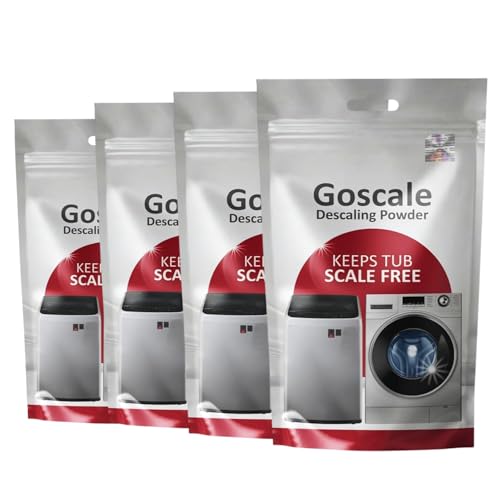
JAZOO LG Washing Machine Cleaner Descale P
Balanced tablet for study, streaming and daily use.
🔥 Save ₹640
₹59
Save ₹640
🏆 BEST PICK

JAZOO LG Washing Machine Cleaner Descale P
BestPickr Washing Machine Verdict
Top pickBetter for practical daily tablet use.
⚠ Skip this if: you need premium-tier features above this budget
Good for
Avoid if
BestPickr Take
- ✓ Top-loading design feels easier for daily use.
- ✓ Quick access feels more convenient for regular laundry.
Price Insight
Based on available tracked history.
Typical price: ₹59 - ₹59
🕒 Tracking price movement
Price verified recently · Based on available tracked history
₹59
₹699
🔥 Save ₹640

🥈 Best Budget
FABO IFB Essentials Descal Appliance Desca
Better value if upfront price matters most.
₹75

🥉 Best Performance
IFB Descale Powder Washing Machine Drum
Better if stronger performance matters more than lowest price.
₹152
Get price-drop alerts on WhatsApp
Selected deals, top picks and buying tips. No spam.
No spam • Selected updates only
Front load versus top load is one of the most important washing machine decisions because it affects cleaning quality, water use, convenience, maintenance expectations, and budget all at once. This guide is written for Indian buyers who want the practical trade-off instead of spec-sheet noise. Use it to decide which format fits your laundry habits, home setup, and budget before you shortlist actual machines.
🔥 Trending in this category
Get price-drop alerts on WhatsApp
Selected deals, top picks and buying tips. No spam.
No spam • Selected updates only

The washing machine decision used to be simple — now there are four distinct categories, each with real trade-offs. Top load fully automatic, front load fully automatic, semi-automatic, and the increasingly popular top load with inverter motor. Making the wrong choice means 10 years of either excellent or frustrating laundry.
This guide explains the real differences clearly.
The Four Types Available in India
Semi-Automatic: Two tubs — wash in one, manually transfer to the other to dry. Labour-intensive but most water-efficient and least expensive.
Top Load Fully Automatic: Load from the top, machine does everything automatically. No bending required. Most popular in India.
Front Load Fully Automatic: Load from the front. Uses less water, washes more gently, better wash quality. Costs more upfront.
Top Load Inverter: A top loader with a variable-speed motor. Better energy efficiency than traditional top loaders. Good middle-ground option.
The Core Comparison: Front Load vs Top Load
Water Consumption
This is where front loaders win decisively. A front load washing machine uses 40–60% less water than a comparable top loader.
- Top load (7kg): uses approximately 140–180 litres per cycle
- Front load (7kg): uses approximately 50–70 litres per cycle
In Indian cities with water scarcity (Bengaluru, Hyderabad, Chennai), this difference is significant — both for practical availability and water bill savings.
Wash Quality
Front loaders use a tumbling action — clothes are lifted and dropped repeatedly. This is gentler and more effective at removing dirt than the agitator in top loaders.
For delicate fabrics, sarees, and formal wear: front load is clearly better. The agitator in standard top loaders can cause fabric wear over repeated cycles.
For heavily soiled work clothes or thick cotton: both work well.
Electricity Consumption
Front load machines use less electricity per cycle (5-star front loaders are highly efficient). However, front load cycles are longer (60–90 minutes vs 30–45 minutes for top load), meaning the time saving of top loaders has a partial electricity trade-off.
Over a year of daily use, a 5-star front loader saves approximately ₹1,500–₹2,500 in electricity compared to a 3-star top loader.
Installation and Ergonomics
Top load: Can be placed anywhere accessible from above. No bending. Easy to add forgotten clothing mid-cycle (with traditional agitator models).
Front load: Requires a countertop height installation or a pedestal stand (sold separately, ₹2,000–₹5,000) to avoid bending. Cannot add clothing once the cycle starts (door locks with water inside).
For older users or those with back problems: top load is significantly more ergonomic.
Maintenance and Hard Water
Indian water is often hard (high mineral content), particularly in Maharashtra, Karnataka, and Rajasthan. Hard water causes limescale buildup in washing machines.
Front loaders are more susceptible to detergent residue and mould growth in the rubber door seal. The seal requires regular wiping and occasional cleaning with vinegar solution.
Top loaders are more tolerant of Indian water conditions and require less maintenance attention.
🔍 Which washing machine do Indian families actually recommend? bestpickr.in ranks every washing machine using AI — scoring real buyer feedback on wash quality, noise, and long-term reliability. 👉 Compare washing machines → bestpickr.in/category/washing-machines
Semi-Automatic — When It Makes Sense
Semi-automatics are not outdated. They are ideal for:
- Areas with irregular water supply (you control how much water is used)
- Very budget-constrained households
- Rural areas where service centres are limited
A semi-automatic Whirlpool or Samsung model under ₹12,000 will reliably wash clothes for 7–10 years with minimal maintenance.
Drum Capacity Guide
| Household Type | Recommended Capacity |
|---|---|
| Bachelor / Couple | 6–6.5 kg |
| Family of 3–4 | 7–7.5 kg |
| Family of 5+ | 8–9 kg |
Oversizing capacity wastes electricity and water on small loads. Undersizing means multiple cycles. Size correctly.
Features Worth Paying For
Inverter Motor: Variable-speed motor. Energy efficient, quieter, lasts longer. Worth the premium in both top and front loaders.
In-Built Heater (Front Load): Allows hot-water washing cycles (60°C) that kill bacteria and work better on white cotton. Relevant for baby clothes and kitchen linen.
Quick Wash (30-minute cycle): For lightly soiled clothes that do not need a full cycle. Saves time and electricity for daily workwear.
Wi-Fi Control: Useful for starting a cycle before reaching home. A convenience, not a necessity.
💡 A washing machine runs every single day for 10 years. Get the AI score before you decide. bestpickr™ surfaces the real complaints — motor noise, service issues, fabric damage — that the product listing buries. 👉 See washing machine rankings → bestpickr.in
FAQ
Q: Which washing machine is best for Indian hard water? Top loaders are more tolerant of hard water conditions. If you have very hard water, consider adding a water softener or using specially formulated hard-water detergent.
Q: Is front load better than top load for clothes? For fabric longevity and wash quality, yes. The tumble action is gentler and more thorough. For convenience and back comfort, top loaders win.
Q: How long should a washing machine last? With an inverter motor and regular maintenance: 10–12 years. Budget models without inverter motors: 6–8 years.
Q: Which brand has the best after-sales service in India? Samsung and LG have the widest service networks. Whirlpool and Bosch also have strong presence in major cities.
Q: Can I use front-load detergent in a top-load machine? No. Front load machines use HE (High Efficiency) low-suds detergent. Regular detergent in a front loader creates excessive foam and can damage the machine. Always use the correct detergent type.
Conclusion
Front loaders win on wash quality, water efficiency, and fabric care — but cost more upfront and require more maintenance attention. Top loaders win on convenience, ergonomics, and hard-water tolerance. For Indian households in water-scarce cities who can invest ₹25,000–₹40,000: front load fully automatic is the better 10-year decision. For everyone else — especially those with water availability and back comfort concerns — a 5-star inverter top loader is the most practical choice.
People also search
Who should buy this
- Households choosing their first automatic washing machine.
- Buyers replacing an older machine and deciding whether to upgrade formats.
Who should avoid this
- Shoppers who already know the capacity and format they want.
- Buyers only looking for live product recommendations without the format comparison.
Why trust BestPickr
- BestPickr uses live product pricing and review-quality checks instead of relying on marketing claims.
- We prioritize buyer intent: which option saves more money, performs better daily, or makes the safer long-term purchase.
- Recommendations are written to help Indian shoppers decide faster, not to stretch the decision with vague generic advice.
How we ranked
- We focused on cleaning quality, water efficiency, convenience, and ownership cost instead of spec-heavy marketing claims.
- The quick-answer cards highlight the strongest reason to buy each format so users can decide faster.
- Related guide links move the user straight into product shortlists once the format decision is made.
Explore related guides
Frequently Asked Questions
Which is better in India: front load or top load washing machine?▾
Front load is generally better for cleaning and efficiency, while top load is better for convenience and lower upfront pricing. The right answer depends on budget and laundry habits.
Is front load worth the extra price?▾
It can be worth it for households that wash frequently and care about fabric care, efficiency, and stronger cleaning. For lighter use, top load may offer better value.
Which washing machine should most buyers start with?▾
Budget-conscious buyers usually start with top load. Buyers who want a more premium long-term ownership experience should compare front-load models carefully.


 Reddit