Refrigerator Buying Guide for Indian Homes: Everything You Need to Know
✔ No fake reviews
✔ AI-ranked picks
✔ Prices updated today
🔥 Top 3 Picks (AI Ranked)
🏆 BEST PICK

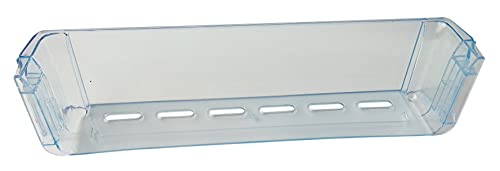
SANAVYA Refrigerator Freezer Door Compatible
Significantly lower price compared to other refrigerator doors, making it accessible for...
⭐ BESTPICKR TAKE
Significantly lower price compared to other refrigerator doors, making it...
- ✅ Fast ice-making helps during daily summer usage.
Why this pick?
Why not others
- Cheaper options often trade away cooling consistency or usable storage layout
Ideal for: Daily milk and vegetables, Small family groceries
₹390
₹999
🔥 Save ₹609

🥈 Best Budget
Giftplease Traditional India Map Fridge Ma...
Better value for regular family grocery storage.
₹139
🥉 Best Performance
SMIPLEBOL - The Best Is Here
Better for weekly groceries and freezer storage.
₹449
Get price-drop alerts on WhatsApp
Selected deals, top picks and buying tips. No spam.
No spam • Selected updates only
🔥 Trending in this category
Get price-drop alerts on WhatsApp
Selected deals, top picks and buying tips. No spam.
No spam • Selected updates only

A refrigerator is a 10–15 year purchase. Unlike a phone you replace every 3 years, a wrong refrigerator decision costs you in electricity bills, inconvenience, and repair bills for a decade. Getting this right matters more than most people realise.
This guide covers every decision point — from choosing the right capacity for your family size to understanding why the compressor brand matters more than the door design.
Step 1: Choose the Right Capacity
Family size is the primary determinant. Indian families tend to store more food than Western families — more fresh vegetables, cooked food stored for multiple days, and larger quantities of dairy.
| Family Size | Recommended Capacity |
|---|---|
| 1–2 people | 180–250 litres |
| 3–4 people | 250–340 litres |
| 4–5 people | 340–450 litres |
| 5+ people | 450+ litres |
The common mistake: buying a fridge that is "just enough" for today. A fridge that is 80%+ full all the time runs less efficiently and the compressor works harder. Buy slightly larger than current needs.
Frost-Free vs Direct Cool — The Decision That Affects Daily Life
Direct Cool (Single Door):
- Manual defrosting required every few weeks
- More energy efficient
- Less expensive upfront
- Suitable for small families and less frequent cooking
Frost-Free (Double/Triple Door):
- Automatic defrosting — no manual intervention ever
- Slightly higher electricity consumption
- More uniform cooling throughout the fridge
- Suitable for larger families who store more food
For most Indian families cooking daily, frost-free is the right choice. The convenience of never defrosting outweighs the marginal electricity cost.
🔍 Which refrigerator is actually worth buying in India right now? bestpickr.in ranks every fridge by AI score — built from real buyer experiences and Indian appliance reviewer signals. 👉 Compare refrigerators → bestpickr.in/category/refrigerators
Star Rating and Electricity Cost
The BEE star rating for refrigerators directly translates to electricity savings.
A 5-star 340-litre frost-free refrigerator consumes approximately 220–240 units (kWh) per year. A 2-star equivalent consumes 320–350 units per year.
At ₹8/unit, that is a difference of ₹800–₹880 per year — every year for 10–12 years. The 5-star premium pays back quickly.
Single Door vs Double Door vs Side-by-Side
Single Door (Direct Cool, 150–250 litres): Best for bachelors, PGs, small families. Lowest upfront cost and running cost.
Double Door (Frost-Free, 250–500 litres): The most practical choice for Indian families. Separate freezer compartment. Wide range of capacities.
Side-by-Side (500+ litres): Large American-style fridges with freezer on one side, fridge on the other. Excellent for large families who store significant quantities. Higher electricity consumption.
French Door (Bottom Freezer): The freezer is at the bottom, main fridge at eye level — ergonomically better since you access fresh food more often. Gaining popularity in India.
Features That Actually Matter in Indian Kitchens
Inverter Compressor: Just like inverter ACs, an inverter compressor runs at variable speeds rather than full-power on/off cycles. Lower electricity consumption, quieter operation, longer compressor life. Worth the premium.
Toughened Glass Shelves: Indian kitchens see heavy vessels and pressure cookers resting on shelves. Cheap plastic shelves crack and bow. Toughened glass shelves are a non-negotiable quality indicator.
Vegetable Crisper: A dedicated humidity-controlled vegetable compartment keeps leafy vegetables and fruits fresh longer. Highly relevant for Indian cooking patterns.
Stabiliser-Free Operation: Indian power supply fluctuates. A fridge that operates across a wide voltage range (140V–300V) without an external stabiliser saves ₹2,000–₹3,000 on the stabiliser and the electricity it consumes.
Door-In-Door (Quick Access): Some Samsung and LG models offer a compartment within the door for frequently accessed items. Reduces cold air loss by not opening the main door for small items.
Compressor Brands — The Heart of the Refrigerator
The compressor is what you are really buying. The cabinet is just a box.
- LG Linear Inverter Compressor — Industry benchmark. 10-year warranty from LG.
- Samsung Digital Inverter Compressor — 20-year warranty claim. Proven reliability.
- Whirlpool Intellifresh Compressor — Solid performer at mid-range price points.
Avoid brands that do not disclose the compressor origin or offer only 1-year compressor warranty. The industry standard for good compressors is 10+ years warranty.
After-Sales Service — Undervalued by Most Buyers
A refrigerator requires professional servicing for any compressor issue. Before buying, check:
- Is there a brand service centre within 30km of your home?
- What is the typical wait time for a technician in your city?
- What is the parts availability situation for 5-year-old models of this brand?
In tier-2 cities, LG and Samsung have the most extensive service networks. Whirlpool and Haier follow. Smaller brands may require long waits.
💡 A fridge is a 12-year decision. Make it with real data. bestpickr™ tells you what 3,000+ actual buyers said — the complaints, the praises, and whether the AI score says buy or avoid. 👉 See fridge scores → bestpickr.in
FAQ
Q: Which refrigerator brand is most reliable in India? LG and Samsung consistently top reliability surveys in India, primarily due to their proprietary compressor technology and wide service networks. Whirlpool is a strong third.
Q: How long should a refrigerator last? A quality refrigerator with an inverter compressor should last 12–15 years with basic maintenance.
Q: Should I buy a refrigerator during a sale? Yes — refrigerators see genuine discounts (10–20%) during Amazon Great Indian Festival, Flipkart Big Billion Days, and end-of-summer sales (June–July).
Q: Do I need a voltage stabiliser for my refrigerator? If your refrigerator is rated for "stabiliser-free operation" (140V–300V range), no. Older models or cheaper brands may require one.
Q: What is the ideal temperature setting for an Indian kitchen? Refrigerator: 3–4°C. Freezer: -18°C. During summer, you may need to increase cooling slightly.
Conclusion
Buying a refrigerator in India comes down to three things: choosing the right capacity for your family, selecting frost-free for convenience, and investing in a model with an inverter compressor from a brand with strong after-sales presence in your city. The cheapest fridge is never the cheapest over 12 years. Get a 5-star inverter compressor model and it will pay for its premium many times over.


 Reddit