Water Purifier Maintenance Guide for Indian Homes: What to Clean, When, and How
✔ No fake reviews
✔ Carefully ranked picks
✔ Prices updated today
🔥 Top 3 Picks (AI Ranked)
🏆 BEST PICK
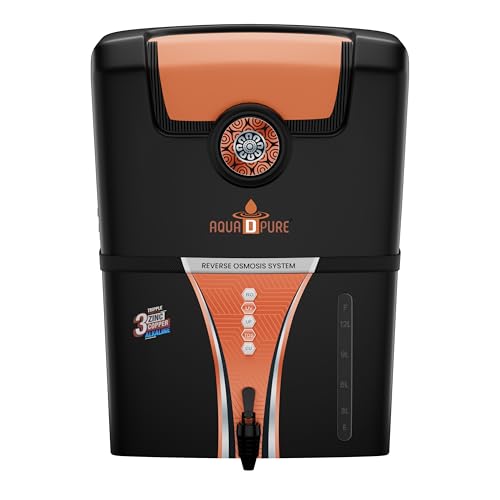
AQUA D PURE Zinc Alkaline Filter,
Balanced tablet for study, streaming and daily use.
🔥 Save ₹19,700
₹5,299
Save ₹19,700
🏆 BEST PICK

AQUA D PURE Zinc Alkaline Filter,
BestPickr Verdict
Top pickBetter for practical daily tablet use.
⚠ Skip this if: you need premium-tier features above this budget
Good for
Avoid if
BestPickr Take
- ✓ Current top-price fit in this shortlist
- ✓ Better for practical daily use
Price Insight
Based on available tracked history.
Typical price: ₹5,299 - ₹5,299
🕒 Tracking price movement
Price verified recently · Based on available tracked history
₹5,299
₹24,999
🔥 Save ₹19,700
🥈 Best Budget
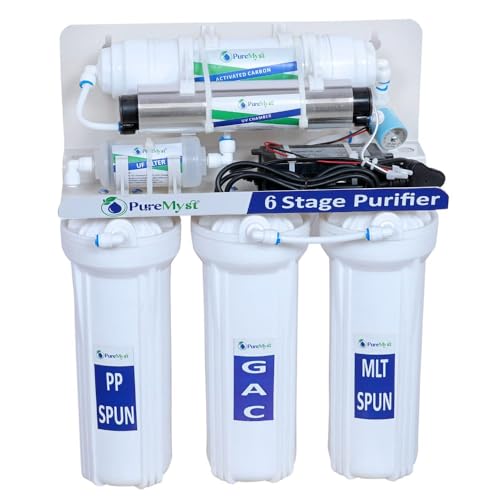
PureMyst 6 Stage Gravity Water Purifier
Better value if upfront price matters most.
₹3,099

🥉 Best Performance
DHANVI AquaFresh RO+UV+UF Water Purifier 10L
Better if stronger performance matters more than lowest price.
₹3,949
Get price-drop alerts on WhatsApp
Selected deals, top picks and buying tips. No spam.
No spam • Selected updates only
🔥 Trending in this category
Get price-drop alerts on WhatsApp
Selected deals, top picks and buying tips. No spam.
No spam • Selected updates only

Most Indian households buy a water purifier, use it for 3–4 years, and only call a technician when it stops working or starts tasting strange. By that point, they have been drinking inadequately purified water for months — and paying for a machine that is not doing its job.
Proper maintenance is not complicated. This guide tells you exactly what needs changing, when, and what it costs — so you never have to guess.
Why Maintenance Is Not Optional
A water purifier is not a set-and-forget appliance. It processes your entire household's drinking water through membranes, filters, and UV lamps that degrade with use. When they degrade:
- Clogged sediment filter: Reduces water pressure and flow rate. Makes the RO membrane work harder, shortening its life.
- Exhausted carbon filter: Chlorine and chemical taste returns to water. Carbon filter is saturated and no longer adsorbing contaminants.
- Old RO membrane: TDS reduction efficiency drops. You may be drinking water above safe TDS limits without knowing it.
- Expired UV lamp: The lamp may still glow but UV output falls below sterilisation threshold. Pathogens pass through alive.
None of these failures announce themselves loudly. Your water may look, smell, and taste the same while being inadequately purified.
The Complete Maintenance Schedule
Pre-Filter (Sediment Filter) — Every 3 Months
What it does: Catches suspended particles — sand, silt, rust from pipes — before they reach and clog the RO membrane.
Signs it needs changing: Noticeably reduced water flow from the tap. Water appears cloudy before purification.
Cost: ₹150–₹350 depending on brand and filter size.
Can you do it yourself? Yes, for most purifier models. The pre-filter housing is usually accessible and uses standard spanner size. Turn off water supply, unscrew housing, replace cartridge, reassemble. Takes 10–15 minutes.
Activated Carbon Pre-Filter — Every 6 Months
What it does: Removes chlorine, chloramine, organic compounds, and taste/odour issues before the RO membrane. Chlorine damages RO membranes — this filter protects the expensive membrane.
Signs it needs changing: Water develops a slight chemical or musty taste. Chlorine smell returns.
Cost: ₹200–₹500.
DIY-friendly: Yes, same process as sediment filter. Usually located adjacent to it in the filter housing.
Note for Indian homes: Municipal water in Indian cities typically has higher chlorine dosing than WHO standards, meaning carbon pre-filters in India exhaust faster than global manufacturer estimates. Replace at 5 months rather than 6 if your TDS input is high or your municipality uses heavy chlorination.
RO Membrane — Every 12–18 Months
What it does: The core of the system. Removes dissolved salts, heavy metals, bacteria, viruses, and TDS above safe limits.
Signs it needs changing: TDS of purified water starts creeping up (check with a TDS meter — ₹300 on Amazon). Water output slows significantly even after pre-filter replacement.
Cost: ₹800–₹2,500 depending on brand and membrane type (75 GPD vs 100 GPD).
DIY vs technician: The membrane housing is accessible in most purifiers. However, incorrect seating can cause bypass (water skipping the membrane entirely). If you are not confident: call a technician for this specific replacement.
Hard water homes: High TDS input water (above 500 ppm) wears out membranes in 10–12 months rather than 18. Budget accordingly.
Post-Carbon / Polishing Filter — Every 12 Months
What it does: Final taste and odour polishing after the RO membrane. Removes any residual taste from the storage tank or distribution tubing.
Cost: ₹200–₹400.
Signs: Water develops a slightly stale or plastic aftertaste even when the tank is recently filled.
UV Lamp — Every 12 Months
What it does: Kills bacteria, viruses, and other pathogens by disrupting their DNA. Works even after RO in combination systems.
Critical point: UV lamps degrade in output over time while still appearing to glow normally. A UV lamp that looks lit may be producing insufficient UV intensity to sterilise. The 12-month replacement is based on rated UV output life, not physical bulb life.
Cost: ₹400–₹1,200 depending on brand.
UV fail alarm: If your purifier has a UV fail alarm and it triggers, replace immediately. If it does not have one, mark a calendar reminder without fail.
Storage Tank — Annual Sanitisation
What people forget: The internal storage tank accumulates biofilm over time — a thin layer of bacterial colonies that forms on any surface that holds water. This is standard and not a sign of purifier failure, but it requires periodic cleaning.
Sanitisation process (every 12 months or during technician visit):
- Empty the tank completely
- Mix one teaspoon of food-grade hydrogen peroxide in one litre of clean water
- Fill tank, let sit for 30 minutes
- Drain and flush completely before resuming use
Alternative: Most purifier brands include storage tank sanitisation as part of AMC servicing. Confirm it is explicitly done, not just listed in the service checklist.
Annual Maintenance Contract (AMC) — Is It Worth It?
Most major brands (Kent, Eureka Forbes, AO Smith, Livpure) offer Annual Maintenance Contracts covering:
- One or two technician visits per year
- Replacement of sediment and carbon pre-filters
- UV lamp replacement
- Performance check
AMC cost range: ₹1,200–₹2,500 per year depending on brand and what is included.
Important: AMC often does NOT include the RO membrane replacement — it is treated as an additional charge. Verify this before signing. An AMC that excludes membrane replacement saves you less than it appears.
When AMC makes sense: If you are not comfortable with DIY filter changes, or if your area has poor water quality requiring frequent servicing. If you are comfortable doing pre-filter changes yourself, pay-per-service for the annual technician visit (₹300–₹500) is often cheaper.
DIY TDS Testing — Your Most Useful Tool
A TDS meter is the single most useful tool for monitoring your purifier's health. At ₹200–₹350 from Amazon, it lets you:
- Measure input water TDS (before purification)
- Measure output water TDS (after purification)
- Calculate rejection percentage:
(Input TDS - Output TDS) / Input TDS × 100
A healthy RO membrane achieves 90–95% TDS rejection.
If rejection drops below 80%, your membrane needs replacement regardless of when it was last changed.
Test monthly — takes 30 seconds and gives you objective data instead of guesswork.
🔍 Choosing a new water purifier with low maintenance costs? bestpickr.in ranks every water purifier using AI scores built from real Indian buyer reviews — including long-term feedback on membrane life, AMC quality, and service reliability. 👉 Compare water purifiers → bestpickr.in/category/water-purifiers
Common Maintenance Mistakes Indian Households Make
Mistake 1: Replacing everything at once on a fixed schedule regardless of actual condition Use your TDS meter to check membrane performance before replacing. You may be replacing a functional membrane early.
Mistake 2: Not replacing the pre-filter and then wondering why the membrane died early A clogged sediment filter forces the RO membrane to process particles it was never designed for. Pre-filter replacement protects your most expensive component.
Mistake 3: Trusting that the UV lamp is working because it glows UV lamps degrade in output before they fail visually. Replace on schedule regardless.
Mistake 4: Ignoring reduced flow rate Slow water output is always a symptom — usually a clogged pre-filter or a deteriorating membrane. Investigate immediately rather than waiting until output stops entirely.
FAQ
Q: How do I know if my RO membrane needs replacement? Test output TDS with a TDS meter. If rejection efficiency has dropped below 80% (compared to the 90–95% a healthy membrane achieves), replace it.
Q: Can I use a local technician instead of the brand service? Yes, for pre-filter and carbon filter replacement — these are standard components. For RO membrane replacement, ensure the technician uses a compatible membrane and seats it correctly. Incorrect installation causes water to bypass the membrane entirely.
Q: How long does a water purifier last overall? With regular maintenance: 8–10 years. The cabinet and electronics typically outlast the membranes and filters significantly.
Q: Is it safe to drink RO water that has not been serviced for 2 years? Potentially not. TDS rejection may have dropped, UV lamp output may be insufficient, and carbon filter saturation may have allowed chemical contaminants through. Get a service done and test output TDS immediately.
Q: Which water purifier brand has the best AMC in India? Eureka Forbes (Aquaguard) has the most extensive service network in India but AMC pricing is relatively high. Kent offers competitive AMC pricing with reasonable response times. AO Smith is known for quality service but narrower network in tier-2 cities.
💡 Before buying a new purifier, check which brands have the lowest long-term maintenance cost. bestpickr™ analyses real Indian buyer reviews to surface feedback on AMC quality, spare parts availability, and technician reliability — not just upfront price. 👉 Find the best water purifier → bestpickr.in
Conclusion
Water purifier maintenance in India follows a simple cadence: pre-filter every 3 months, carbon filter every 6 months, RO membrane every 12–18 months (test TDS to confirm), UV lamp annually, and tank sanitisation annually. A TDS meter for ₹300 gives you objective data to know when your membrane actually needs replacing versus the manufacturer's conservative schedule. The cost of proper maintenance — ₹2,000–₹4,000 per year — is trivially small compared to the health consequences of drinking inadequately purified water.


 Reddit